This post contains affiliate links. If you make a purchase through these links, we may earn a small commission at no extra cost to you.
Choosing the perfect drinking vessel for your toddler can feel like navigating a maze. With so many options on the market, it's easy to become overwhelmed. It's not just about convenience—it's about supporting your child's development, dexterity, and safety while they transition from bottle-feeding to independent drinking. In this article, we’ll dive deep into the "sippy cup vs straw cup" debate, comparing some popular products to help you make an informed choice.
Overview
When transitioning toddlers from bottles to cups, parents typically have two main options: sippy cups and straw cups. Each type has its advocates, and each comes with its own set of benefits and considerations. Sippy cups often favor less mess and easier handling, whereas straw cups are touted for promoting oral motor skills and better dental health.
In this article, we’ll look closely at the following products:
- Dr. Brown's Milestones First Straw Cup: A reliable choice for young toddlers beginning to use straw cups.
While sippy cups don't feature directly in our chosen product comparisons due to market focus, this analysis will provide insights into the design and functionality of straw cups.
Key Differences
Sippy Cups
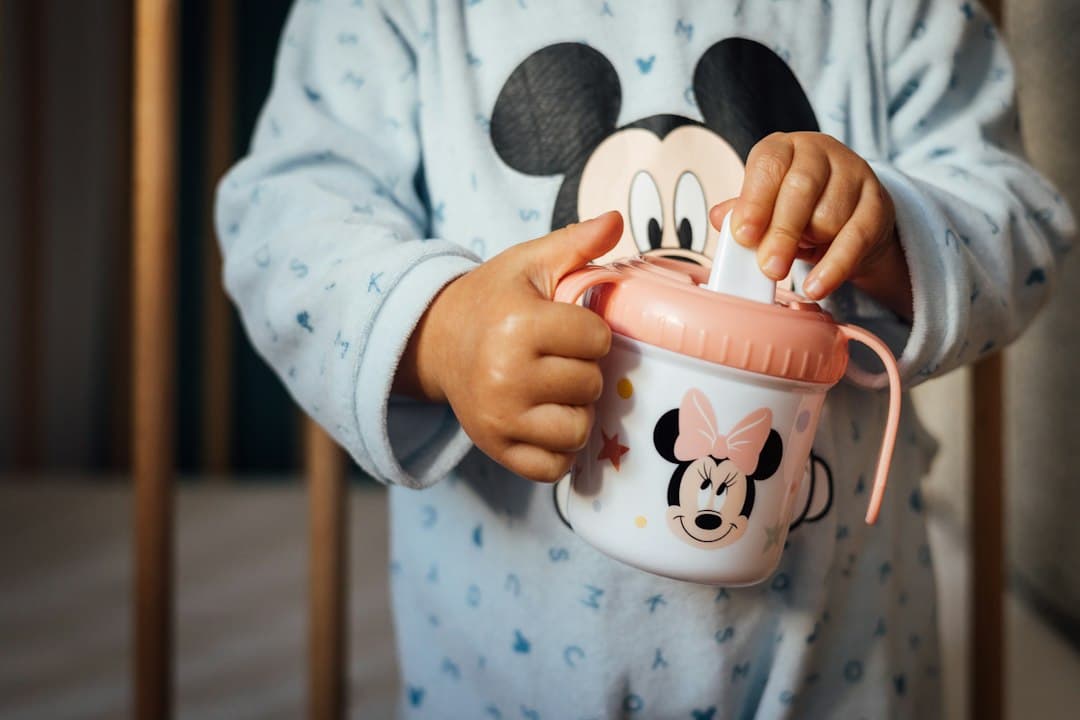
Sippy cups generally feature a spout and a lid, allowing for spill prevention and ease of use. They are often used as a transitional product after a bottle, with the spout comforting small children familiar with bottle nipples.
Straw Cups
Straw cups utilize a straw that encourages children to develop different drinking skills than bottles or sippy cups. This style can encourage a natural swallowing motion and support better oral development since children need to use their tongue and lips more actively.
Pros & Cons of Each
Sippy Cups
Pros:
- Typically spill-proof
- Familiar mouthpiece for young children transitioning from bottles
- Strong handle for grip development
Cons:
- Can delay the development of more mature drinking skills
- Prolonged use can impact dental health if not monitored
Straw Cups
Pros:
- Promotes more mature oral motor skills
- Generally better for dental health
- Allows for easy liquid flow with a natural sucking motion
Cons:
- Can be messy if not used properly
- Might require more effort from the child, initially causing frustration
Product Reviews
Dr. Brown's Milestones First Straw Cup
Transitioning to a straw cup can be an adventure for toddlers, and the Dr. Brown's Milestones First Straw Cup is here to guide that journey. Priced at $9.69 with a solid 4.3/5 rating from over 12,925 customer reviews, this choice stands out as a trusted necessity for parents.
Features:
- Capacity: Suitable for holding toddler-sized portions
- Design: Compact and designed for tiny hands
- Straw: Features a weighted straw that helps with complete liquid sipping, even when tilted
- Age Recommendation: Best for toddlers aged 6 months and up
Pros:
- Easy-to-use straw encourages proper drinking skills
- Spill-proof design reduces mess
- Dishwasher safe for easy cleaning
Cons:
- Initial straw assembly may require effort
- Some toddlers may find the weighted straw unfamiliar initially
Who Should Buy Which?
If your primary goal is to transition quickly and avoid spills, a sippy cup might be your best starting point. However, for parents focused on long-term oral health and motor skill development, investing in a high-quality straw cup, like Dr. Brown’s Milestones First Straw Cup, is an excellent choice.
Consider your toddler’s adaptability and current skills. Some children naturally gravitate toward sipping through straws, which would quickly influence your decision. Conversely, if your toddler errs on the side of caution with change, a dual approach of starting with a sippy cup before transitioning might serve your needs better.
What to Look For in Toddler Cups
- Material: Look for BPA-free options. Silicone lids and straws tend to be more mouth-friendly.
- Ease of Cleaning: Dishwasher-safe products save time and hassle.
- Durability: A good cup should withstand drops and vigorous toddler handling.
- Capacity: Ensure the cup holds enough for a typical child's drink without being too heavy.
- Design: A fun design can make drinking more appealing to toddlers.
Final Thoughts
The transition from bottle to cup is an essential step in your toddler's development. By weighing the benefits between a sippy cup and a straw cup, you can make an informed decision catered to your child's needs and developmental stage. For those looking for a strong start into independent drinking, the Dr. Brown's Milestones First Straw Cup offers stellar features for fostering this transition, ensuring both functionality and fun.
Ultimately, the best choice depends on your toddler’s personality and needs. Take the time to observe them and choose a cup that will best foster their growth and independence in their drinking journey.
SEO_TITLE: Sippy Cup vs Straw Cup: Which Is Better for Your Toddler?
SEO_DESCRIPTION: Discover the best options in the sippy cup vs straw cup debate with our detailed comparison to help your toddler transition smoothly.
SEO_TAGS: toddler cups, sippy cup vs straw cup, toddler feeding, baby products
IMAGE_SEARCH: toddler drinking cup
Photo by Elianna Gill on Unsplash